
Food Plants
Golden Legacy Farms offers food plants in Central Oregon. From thornless Glencoe Raspberry and aromatic Genovese Basil to compact apple trees, pears, plums, peaches, and apricots, our plants are selected to help homeowners and gardeners grow fresh, flavorful harvests with confidence. Contact us to learn more.
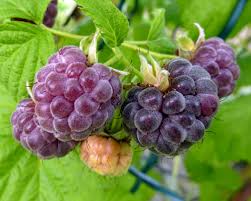
Glencoe Raspberry (Rubus idaeus 'Glencoe')
Description
Glencoe Raspberry is a unique thornless raspberry prized for its sweet, flavorful purple berries and vigorous, easy-to-manage growth. Developed in Scotland, this productive variety combines the rich flavor of black raspberries with the size and productivity of red raspberries.
Perfect for fresh eating, baking, jam-making, and freezing, Glencoe yields abundant summer harvests while its thornless canes make picking easy and enjoyable. An excellent choice for home gardens, edible landscapes, and backyard berry patches.
Quick Facts
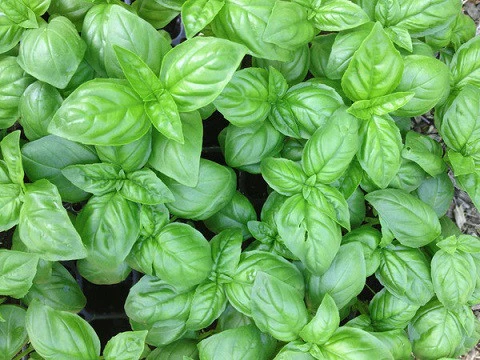
Genovese Basil (Ocimum basilicum 'Genovese')
Description
Genovese Basil is the classic Italian sweet basil, prized for its vigorous growth, large aromatic leaves, and rich, slightly sweet flavor with a hint of spice. Its bright green, lightly crinkled leaves grow up to three inches long, making them the preferred choice for fresh pesto, Caprese salads, sandwiches, and a wide variety of Italian dishes.
Easy to grow in gardens, raised beds, or containers, Genovese Basil thrives in full sun and rewards gardeners with an abundant harvest throughout the growing season.
Quick Facts

Ultra Dwarf Gala Apple (Malus domestica 'Gala')
Description
Ultra Dwarf Gala Apple is the ideal choice for gardeners who want crisp, sweet apples without sacrificing valuable space. This compact tree yields an abundance of attractive red-striped fruit with a crisp texture and outstanding flavor, making it perfect for fresh eating, salads, and snacks.
Ideal for small yards, patios, raised beds, and large containers, Ultra Dwarf Gala offers the beauty of spring blossoms, followed by a dependable harvest of delicious apples in late summer to early fall.
Quick Facts
Bosc Pear (Pyrus communis 'Bosc')
Description
Bosc Pear is a classic European pear prized for its elegant, russet-brown fruit, crisp texture, and rich, honey-sweet flavor. Exceptionally versatile, Bosc pears are delicious fresh and hold their shape beautifully when baked, poached, or used in desserts. In spring, the tree is covered with showy white blossoms that attract pollinators, followed by a dependable harvest of flavorful pears in autumn.
A long-lived and productive tree, Bosc is an outstanding choice for home orchards and edible landscapes.
Quick Facts
Flemish Beauty Pear (Pyrus communis 'Flemish Beauty')
Description
Flemish Beauty Pear is a classic European pear prized for its exceptionally sweet, juicy fruit and outstanding cold hardiness. In spring, the tree is covered with fragrant white blossoms that attract bees and other pollinators. In late summer, it yields a harvest of large, flavorful pears with beautiful yellow-green skin often blushed with red.
Perfect for fresh eating, canning, baking, and preserving, Flemish Beauty is a productive, long-lived tree that makes an excellent addition to home orchards and edible landscapes.
Quick Facts
Semi-Dwarf Summercrisp Pear (Pyrus communis 'Summercrisp')
Description
The Semi-Dwarf Summercrisp Pear is an exceptionally cold-hardy pear tree that yields crisp, sweet fruit with a refreshing flavor. Developed by the University of Minnesota, this reliable variety thrives in northern climates and home orchards. Showy white blossoms appear each spring, followed by an early harvest of attractive green pears with a red blush.
Best enjoyed fresh, Summercrisp pears are picked before fully ripe, when they are delightfully crisp and juicy. The semi-dwarf tree is easy to maintain and ideal for smaller landscapes, providing abundant harvests for years to come.
Quick Facts
Toka Plum (Prunus 'Toka')
Description
Toka Plum is a hardy, productive plum tree celebrated for its exceptionally sweet, juicy fruit with a distinctive flavor often described as having a hint of bubblegum. In spring, the tree is covered with beautiful white blossoms that attract bees and other pollinators, followed by a late-summer harvest of medium-sized red-to-purple plums with golden-yellow flesh.
Perfect for fresh eating, jams, jellies, and preserves, Toka is an excellent choice for home orchards and is also valued as one of the best pollinators for many other Japanese-American hybrid plum varieties.
Quick Facts
Early Italian Prune (Prunus domestica 'Early Italian')
Description
Early Italian Prune is a reliable, productive European plum prized for its sweet, richly flavored fruit and early harvest. Beautiful white blossoms cover the tree each spring, followed by medium-sized purple-blue plums with firm, golden flesh that are excellent for fresh eating, drying, baking, canning, and preserves.
Cold hardy and easy to grow, Early Italian Prune is an outstanding choice for home orchards, providing dependable harvests and exceptional fruit quality year after year.
Quick Facts
Hollywood Plum (Prunus cerasifera 'Hollywood')
Description
Hollywood Plum is a striking ornamental fruit tree prized for its deep burgundy foliage, beautiful spring blossoms, and delicious red-fleshed plums. In early spring, masses of fragrant pink flowers cover the tree, then give way to attractive dark red fruit with sweet, juicy flesh.
Equally valued for its ornamental beauty and flavorful harvest, Hollywood Plum is perfect for home orchards, edible landscapes, and as a colorful specimen tree that provides interest throughout the growing season.
Quick Facts
Superior Plum (Prunus 'Superior')
Description
Superior Plum is a hardy, productive plum tree known for its exceptionally large, sweet fruit and outstanding cold hardiness. In spring, the tree is covered with fragrant white blossoms that attract bees and other pollinators, followed by a generous harvest of juicy red-purple plums with firm, golden-yellow flesh.
Excellent for fresh eating, baking, preserves, and desserts, Superior Plum is a dependable performer that makes an outstanding addition to home orchards and edible landscapes.
Quick Facts
Reliance Peach (Prunus persica 'Reliance')
Description
Reliance Peach is one of the hardiest peach varieties available, producing sweet, juicy fruit even in regions with cold winters. In spring, the tree is covered with beautiful pink blossoms, followed by a harvest of medium-sized peaches with yellow flesh and a red blush.
Excellent for fresh eating, baking, canning, and freezing, Reliance is a favorite for home orchards for its exceptional cold hardiness, reliable production, and outstanding flavor.
Quick Facts
Vivid Peach (Prunus persica 'Vivid')
Description
Vivid Peach is an attractive, productive peach tree prized for its large, flavorful fruit and dependable performance. In spring, the tree is covered with beautiful pink blossoms that give way to a generous harvest of juicy peaches with excellent sweetness and rich flavor.
Perfect for fresh eating, baking, canning, and freezing, Vivid Peach is an excellent addition to home orchards, combining ornamental beauty with an abundant late-summer harvest.
Quick Facts
Puget Gold Apricot (Prunus armeniaca 'Puget Gold')
Description
Puget Gold Apricot is a hardy, dependable apricot variety prized for its large, golden-orange fruit, outstanding flavor, and reliable yields. Showy white to pale-pink blossoms brighten the tree in early spring, followed by a generous harvest of sweet, juicy apricots that are excellent for fresh eating, baking, canning, drying, and making preserves.
Well adapted to cooler climates, Puget Gold is an outstanding choice for home orchards, combining ornamental beauty with delicious, high-quality fruit.
Quick Facts
Tomcot Apricot (Prunus armeniaca 'Tomcot')
Description
Tomcot Apricot is a productive, early-ripening apricot prized for its exceptionally large fruit, outstanding flavor, and reliable performance. Showy white blossoms appear in spring, followed by a generous harvest of sweet, firm apricots with rich orange flesh and an attractive red blush.
Excellent for fresh eating, baking, canning, drying, and preserving, Tomcot is a favorite among home orchardists for its exceptional fruit quality and reliable production.
Quick Facts
Chinese Mormon Apricot (Prunus armeniaca 'Chinese')
Description
Chinese Mormon Apricot is a hardy, dependable apricot tree admired for its beautiful spring blossoms, attractive form, and flavorful golden-orange fruit. Fragrant white-to-pale-pink flowers bloom in early spring, followed by a generous harvest of sweet, juicy apricots that are excellent for fresh eating, baking, canning, drying, and making preserves.
Long-lived and easy to grow, this versatile tree is an outstanding choice for home orchards, edible landscapes, and gardeners seeking reliable fruit production in cooler climates.
Quick Facts
Northpole® Apple (Malus domestica 'Northpole')
Description
Northpole® Apple is a compact columnar apple tree that yields full-sized, crisp red apples while taking up very little space. Its naturally upright growth habit makes it ideal for patios, small yards, edible landscapes, and container gardening. In spring, the tree is covered with beautiful white blossoms that attract pollinators, followed by a dependable harvest of sweet, juicy apples perfect for fresh eating, baking, and cooking.
Combining ornamental beauty with abundant fruit production, Northpole® is an excellent choice for gardeners who want a productive apple tree in a compact space.
Quick Facts
Golden Sentinel® Apple (Malus domestica 'Golden Sentinel')
Description
Golden Sentinel® Apple is a compact columnar apple tree that yields crisp, sweet golden-yellow apples while taking up very little garden space. Its naturally upright growth habit makes it ideal for patios, small yards, edible landscapes, and large containers. Showy white blossoms cover the tree each spring, followed by a dependable harvest of flavorful apples that are excellent for fresh eating, baking, and cooking.
Combining ornamental beauty with productive harvests, Golden Sentinel® is an outstanding choice for gardeners who want a full-sized apple tree in a compact form.
Quick Facts
Semi-Dwarf Gala Apple (Malus domestica 'Gala')
Description
Semi-Dwarf Gala Apple is one of the world’s most popular apple varieties, prized for its crisp texture, sweet flavor, and dependable production. Showy white blossoms cover the tree each spring, followed by an abundant harvest of attractive, red-striped apples that are perfect for fresh eating, salads, baking, and applesauce.
The semi-dwarf form is easy to maintain while producing full-sized fruit, making it an excellent choice for home orchards and family gardens.
Quick Facts
Ultra Dwarf Red Delicious Apple (Malus domestica 'Red Delicious')
Description
Ultra Dwarf Red Delicious Apple is a compact, space-saving fruit tree that produces the classic deep-red apples loved for their sweet, mild flavor and crisp texture. Its naturally small size makes it ideal for patios, small gardens, raised beds, and large containers, yet it still produces an abundant harvest of full-sized fruit.
In spring, the tree is covered with fragrant white blossoms that attract pollinators, followed by beautiful apples that are perfect for fresh eating and adding to lunch boxes, salads, and snacks.